A Guide to Pigeons and Stringfoot
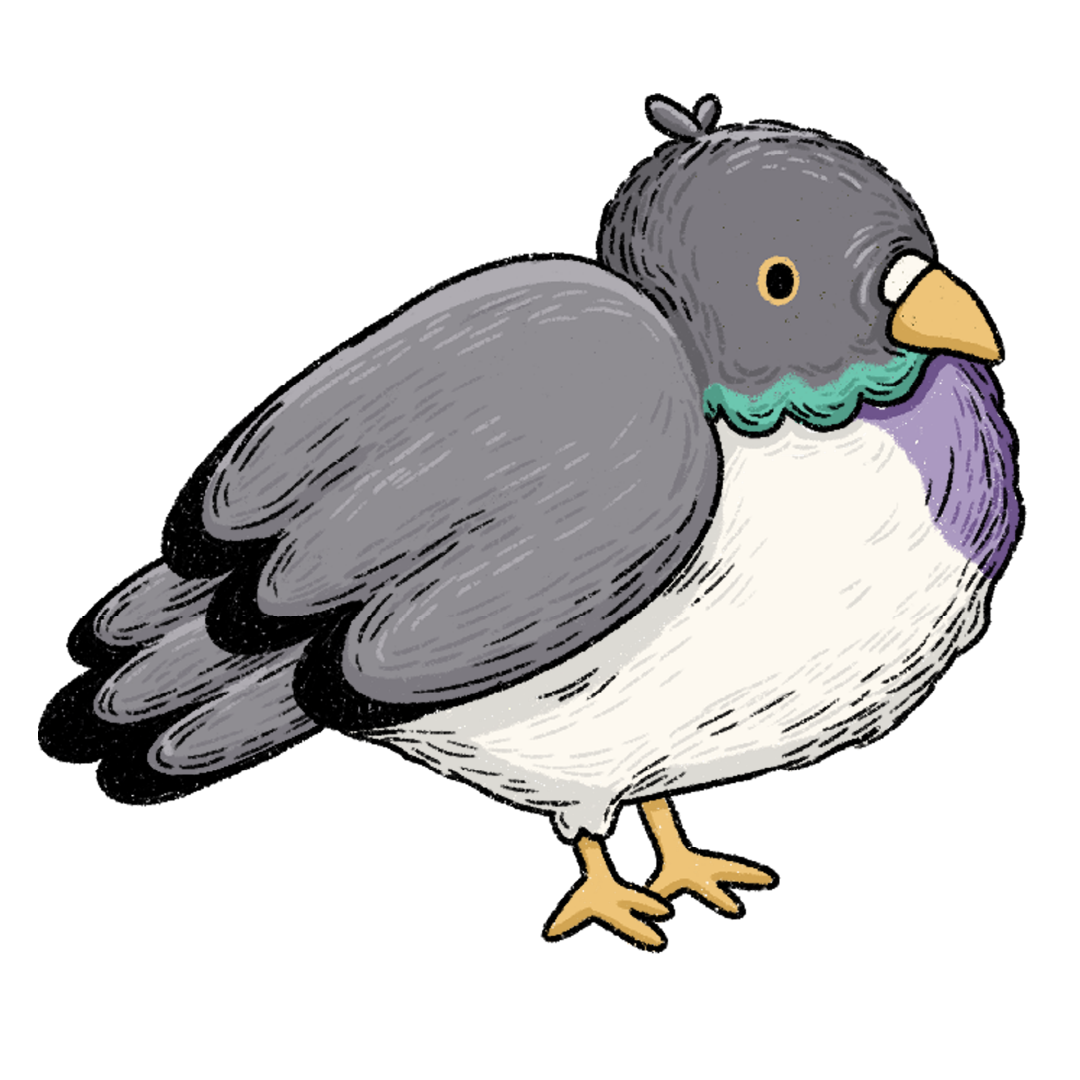
I love pigeons.
I love them so much that I made them one of the faces of Ruckus Children’s Books.
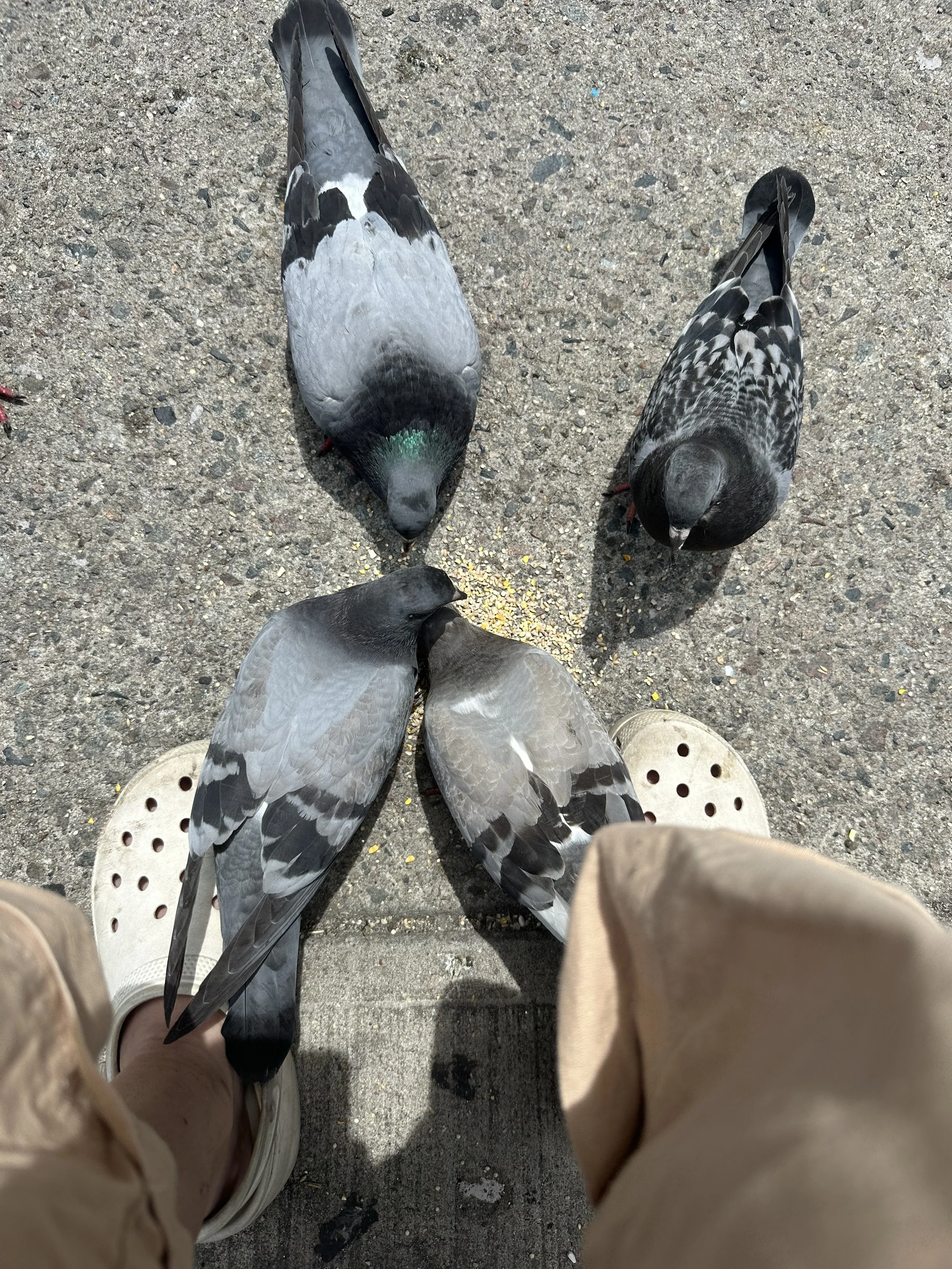
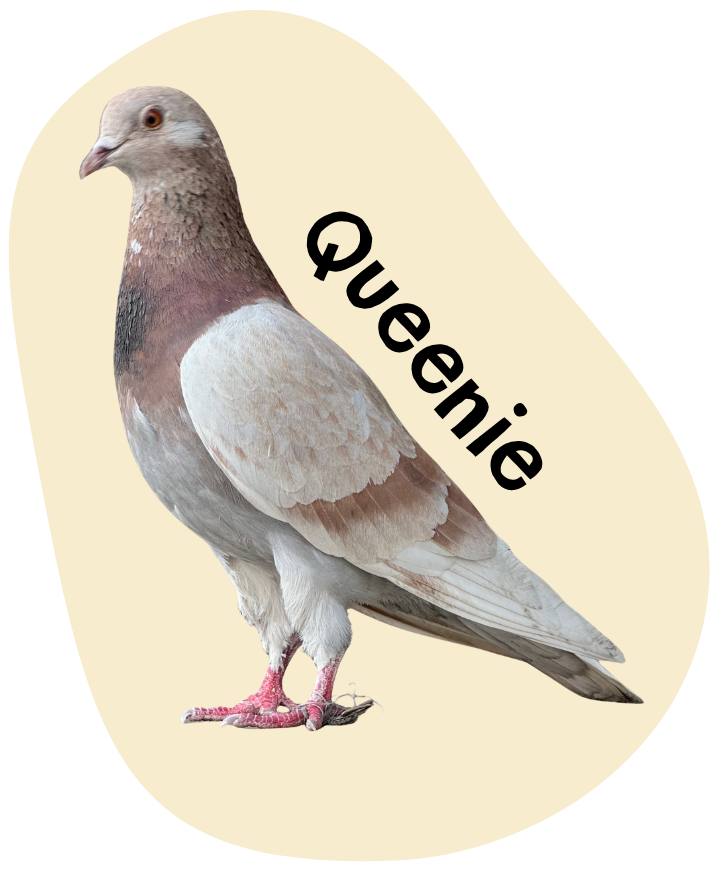
They are gentle, resilient, and goofy animals. I spend a lot of time with my neighborhood pigeons (specifically Queenie, Chester, Bully, and Sugi– at least that’s what I call them, they might have their own ways of self-identifying), so I know them pretty well. But it doesn’t take building a relationship with them to recognize that some of them need our help.
You may be asking: This is a children’s bookstore, why is she talking about pigeons?
Children have a great capacity for caring for the world around them. They are naturally curious and ask questions that, oftentimes, adults have forgotten they can even ask.
Children are capable of discussing and understanding all sorts of complex issues. Just take a look at the lists I’ve made of my favorite kids’ books. When it comes to what we read with our kids, I don’t think we should shy away from any topic. There are, of course, ways to discuss hard things with kids that are more age- or developmentally-appropriate. However, if so many kids are affected by the systems of racism, gender inequality, climate inequality, and police brutality, then it is our duty as caregivers to ensure that all other children have the tools to disrupt these systems.
Caring for our neighbors, both human and nonhuman, is a great way to get children (and their adults) involved in community organizing. This care work is an important step towards collective liberation.
So what is “stringfoot?”
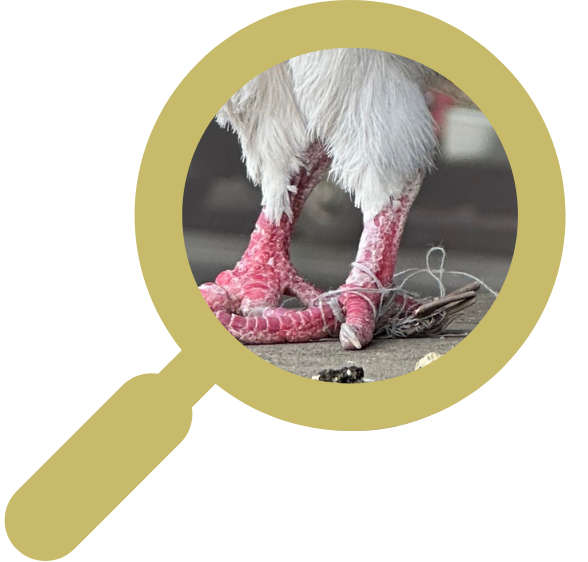
Stringfoot is a common injury for pigeons living in close proximity to humans.
It happens when hair, thread, string, fishing line, or other thin materials get wrapped tightly around a pigeon's toes or feet. As the pigeon walks, the material can become tighter and cut off blood flow. Over time, it causes swelling, wounds, infection, and even loss of toes. Some pigeons lose their whole foot because of the severity of the injury.
Pigeons, more so than other city birds, are especially vulnerable because they spend so much time walking around places where these discarded materials are found.
Stringfoot can often be treated if it is caught early. Wildlife rehabilitators and pigeon rescuers can carefully remove the material and treat the injury. Some pigeons may need ongoing care or medical amputation.
Some facts about pigeons:
Did you know that the pigeons you see walking around the city and white doves who often represent peace and innocence are part of the same bird family? Their scientific family name is Columbidae.
There are hundreds of different kinds of pigeons and doves, and they live all over the world. They can be found in all sorts of climates and environments from cities and forests to deserts and islands.
Pigeons and doves usually have round bodies, small heads, short necks, and small beaks. Most eat seeds, fruits, and plants.
The pigeons you see walking around a city are usually rock pigeons or descendants of them. Rock pigeons originally lived in places with rocky cliffs, where they built their nests. Humans began domesticating and breeding them thousands of years ago. People kept pigeons for food, for sport, for their beautiful colors and patterns, and even trained them to carry messages.
Over time, many domesticated pigeons were released, escaped, or were simply abandoned. Their descendants became feral pigeons, the birds were once domesticated but now live freely. City buildings, bridges, and other structures look a lot like the rocky cliffs where wild rock pigeons originally lived, so these birds have become very good at making cities their home.
This means that the pigeons we see in cities have a complicated relationship with humans. Humans helped create city pigeon populations, and humans are also responsible for many of the challenges these birds face. In that way, feral pigeons are somewhat like feral cats: they are animals who can technically survive on their own, but they often benefit from human care and intervention.
For example, injured or sick pigeons may need help from wildlife rehabilitators or pigeon rescue groups. In some cities, people also care for pigeon colonies by providing safe places to nest and reliable food and water. This is different from many wild birds, such as migrating songbirds, whose populations have not been shaped by domestication in the same way and who generally live independently of humans.
So what can we do to help them?
One of the best things you can do to help pigeons is to pick up trash and be extra careful when throwing out your own, to make sure none of it can end up on the ground where it can hurt them. Properly disposing of hair string, thread, and other materials can help prevent stringfoot. For example: when I comb through my hair and strands come out, I take that hair and cut it into 1-2 inch pieces before discarding, especially if I’m out and about. I never just let it fall to the ground if I can help it.
If you notice a pigeon with string, thread, hair, or another material wrapped around its foot, you may be able to help—but it's important to be careful.
Stringfoot can become deeply embedded in a pigeon's toes and feet making removal a very complicated process that requires a professional. Sometimes however, removing it can sometimes be as simple as carefully untangling a loose piece of thread.
If you are not experienced with handling pigeons, don't try to catch or treat the bird yourself. Contact a pigeon rescue group, wildlife rehabilitator, or bird-friendly veterinarian in your area. It's a good idea to find out who you can contact before you find an injured bird.
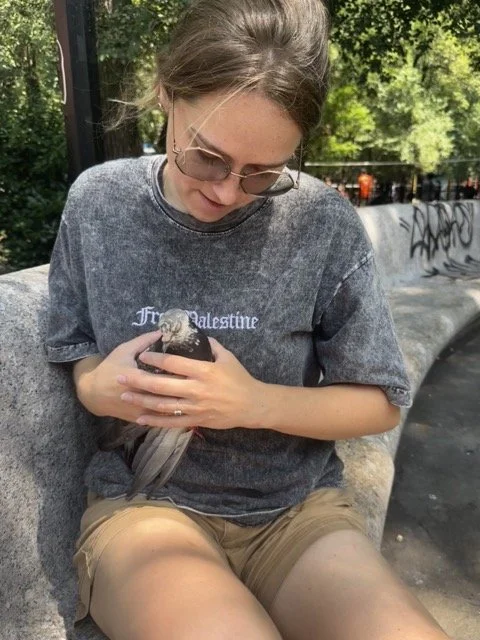
People who regularly help pigeons with stringfoot often call the process “destringing.” It takes patience, practice, and the right tools.
If you’re interested in learning more about the process, join one of my stringfoot workshops or contact me to set up a 101 with you and a friend! I’m always happy to share what I know with others so that we can help more neighborhood pigeons.
A little piece of string might look like trash to us. To a pigeon, it can be the difference between life and death.